There are multiple types of data center server racks in modern data center infrastructure. As data centers continue to pop up worldwide, the importance of proper racking systems has increased tremendously. The trend isn't letting up, either. As the world embraces new cutting-edge tools such as Artificial Intelligence (AI) and continued reliance on cloud-based software, the data center market must scale up to stay ahead of all the necessary raw computer power. As data centers continue to come online, the importance of perforated metal components and fabrication work must be addressed.
What Are Data Center Server Cabinets?
Server racks are designed to house and organize servers, networking equipment, and other IT infrastructure components compactly and efficiently. These racks or enclosures are often organized to make system management seamless and help hardware professionals manage servers on-site.
What Types of Data Center Server Racks Are There?
Various types of racking systems are available when you are planning out your data center. These include:
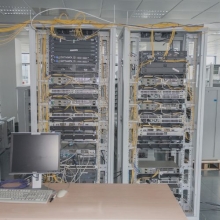
Open Frame Racks
Just as it sounds, an Open Frame Rack is entirely open. Working or moving around is straightforward when the equipment sits in the open air. However, open-frame racks tend to get dusty and must be cleaned/maintained regularly. In addition, because they are out in the open, the components can not be locked down.
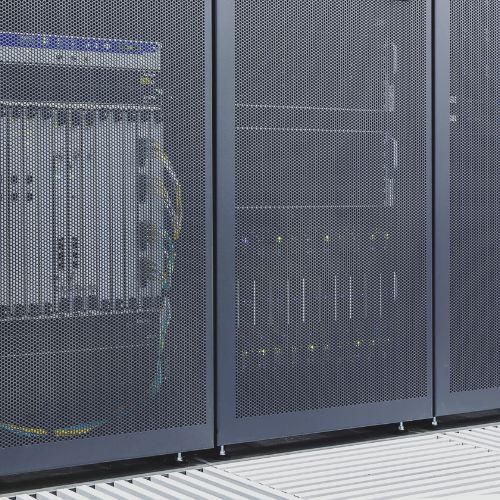
Enclosed Racks
Enclosed racks offer several benefits over other options. Putting all your components into the enclosure keeps those essential components safe and secure. If your enclosure has built-in caster wheels, it can be easily moved. These enclosures can be locked, making it difficult for someone to remove the components.
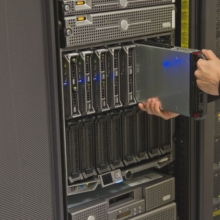
Blade Server Racks
Blade Server Racks look similar to an enclosed rack. In fact, you can't tell the difference between the two when you are looking at it. What makes them different are the compartments within the enclosure – the compartments are where the "blades" go. In the data center world, the servers themselves are often called blades. The slots within the rack make it easy to pull blades in and out and offer the same security and environmental controls that an open-enclosed rack provides
What Are the Server Rack Standards?
When ordering custom server racks, they should adhere to industry standards like the EIA-310 standard, which specifies dimensions such as rack unit (U) height (1U = 1.75 inches), depth, and mounting hole spacing. Buying custom racks to meet these specifications will make it easier for you to maintain your data farm. When using standardized components, such as perforated metal, parts are easy to replace because they are made to industry standards. You don't want your data center to be down for a prolonged period – standardization is the way to go.
Other Factors To Consider When Designing Server Racks
When considering your next data center project, project managers, architects, and engineers have much on their plates. From site selection to the materials used to build the data center, anyone can have a lot on their plate. Not only that, but you need to design the interior of the building itself, specifically the enclosures. While this is not an exhaustive list, several factors should be considered when planning your next data center server cabinet. This includes:
- Cooling and Airflow: Proper airflow management is crucial in data centers to prevent equipment overheating. To optimize cooling, racks are designed with features like perforated doors, cable management options, and hot/cold aisle configurations.
- Power Distribution: Racks often include power distribution units (PDUs) for distributing power to servers and other equipment. Intelligent PDUs can provide monitoring and remote power management capabilities.
- Cable Management: Effective cable management is essential to maintaining a tidy, organized rack environment, reducing the risk of cable damage, and improving airflow.
- Security: Enclosed racks offer better physical security by restricting access to authorized personnel only. Some racks also come with locking mechanisms for added security.
- Scalability: Modular rack designs enable easy scalability, allowing data centers to add or remove equipment as needed without significant disruption.
- Remote Management: Many modern server racks support remote management technologies, including IP-based KVM switches and lights-out management (LOM), enabling remote monitoring and control of servers.
- Compatibility: When selecting server racks, it's crucial to ensure compatibility with the servers and equipment being installed, including weight capacity, mounting options, and cable management requirements.
- Power Generation: It's critical to ensure your data center has the proper amount of power flowing into the rows of servers to "keep the lights on." The right power generation equipment, such as generators and backup generators, will keep your data center up through almost anything.
Accurate Knows Custom Data Center Cabinets
When you need a bespoke option for your data center or enough cabinets to fill a 500,000+ square foot building, there's one name in the business to look to—Accurate. At Accurate, our two divisions work hand in hand to create the perfect server enclosure for your data center.
Accurate Perforating: We are a leader in supplying perforated metal to data centers, including Bitcoin mining applications. As a custom manufacturer, we can use one of our 200+ patterns to provide the proper airflow you need in your perforated metal door to keep the server farm humming. Or we can create a custom pattern unique to your business. Between our scale and eighteen perforating presses, we have the capacity to ensure your data center opens on time.
Accurate Metal Fabricating: As the perforated doors are manufactured in Chicago, four miles away, we handle the rest. Forming the metal for the cabinets. Prepping the metal, and more. When the perf doors arrive, they enter our powder paint line via a five-stage wash and powder-coating process. After being formed, welded, painted, and any other fab capabilities you need, it goes to assembly and shipping, where your items will be shipped on your schedule.